In the grand salon of modern investment, where spreadsheets meet showcase displays and asset management merges with aesthetic appreciation, a curious elegance arises. Here, the discerning investor no longer confines their wealth to balance sheets but seeks to intertwine art with acquisition. Fine art, rare timepieces, vintage cars, and the ethereal allure of cultural capital …
Asset Classes Beyond the Obvious: Where Investment Meets Artistry
In the grand salon of modern investment, where spreadsheets meet showcase displays and asset management merges with aesthetic appreciation, a curious elegance arises. Here, the discerning investor no longer confines their wealth to balance sheets but seeks to intertwine art with acquisition. Fine art, rare timepieces, vintage cars, and the ethereal allure of cultural capital are redefining the narrative of assets—a narrative that speaks not just of value, but of legacy and taste.
The Renaissance of Fine Art
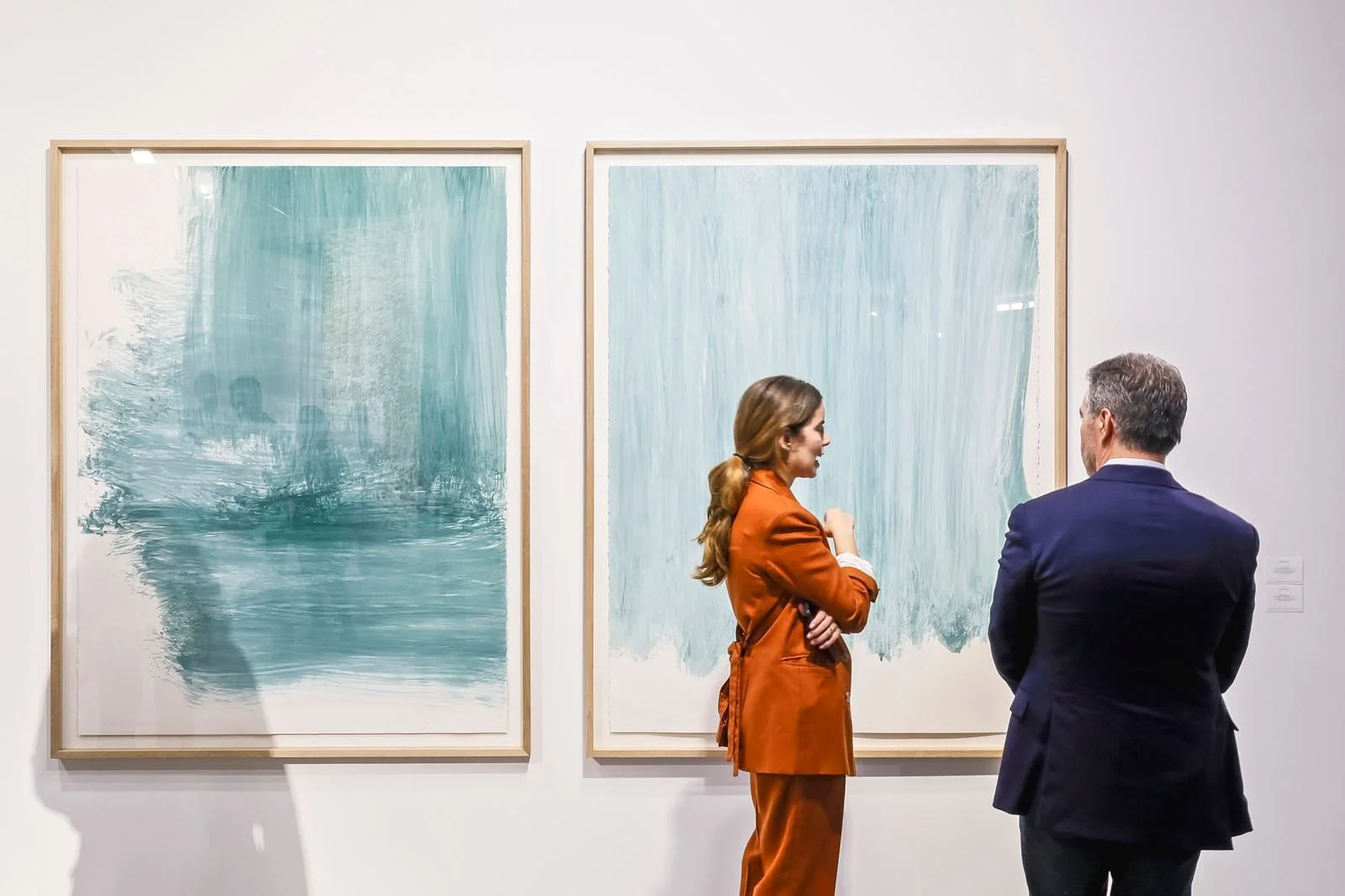
In galleries where whispers carry the weight of centuries and paintings are draped in the glow of strategic lighting, fine art has emerged as an indomitable class of assets. Collectors, both affluent connoisseurs and aspirational novices, are drawn to the storied canvases not just for their aesthetic appeal, but for their formidable potential as investments. Masterpieces that adorn private collections or public institutions not only offer the pleasure of viewing but have consistently outperformed more traditional financial instruments. An understanding of art as an asset goes beyond its resale value; it commands a depth of knowledge about the cultural movements and zeitgeists encapsulated within each piece.
Collaborations with art collectors, galleries, and museums represent untapped avenues for luxury brands and investment houses. Consider Art Basel, the apex of art fairs where engagement opportunities are created not only between buyer and seller but also among those who wish to align their brand with the intellectual and aesthetic luxury of art investment.
The Precision of Rare Timepieces
Timepieces, those intricate masterpieces of engineering and design, have swiftly moved beyond their utilitarian role. Nestled within the confines of meticulously sculpted metal and glass lies not just functionality, but a testament to innovation and heritage. Brands such as Patek Philippe and Audemars Piguet craft watches that are far more than mere wrist adornments—they are statements of identity and investment.
The market for rare and vintage timepieces is thriving, buoyed by collectors who understand time as both a bounded dimension and a financial metric. The intricate craftsmanship and storied histories of these pieces are interwoven with the prestige of their wearers, crafting an investment narrative that resonates on both economic and emotional levels. Firms specializing in luxury investments find fertile ground in partnerships with high-end watchmakers, who are eager to align with financial institutions that appreciate their artful complexity.
The Elegance of Vintage Automobiles
Picture a scene: a 1962 Ferrari 250 GTO purring down a coastal road, its racing history echoing with every turn of the wheel. Vintage automobiles, storied machines that represent pinnacles of mechanical artistry and performance, stand as monuments to automotive evolution and excellence.
While these cars exude a visceral allure, they simultaneously act as substantial assets. Their rarity and association with iconic events or personalities can multiply their value, rendering them as much a blue-chip investment as a bankable symbol of taste. Automobile shows and auctions, such as the Concours d’Elegance, serve as essential venues for cultivating relationships between investment moguls, luxury car manufacturers, and the elite buyers captivated by the lustrous sheen of high-performance history.
Cultural Capital: The Ultimate Legacy
Beyond tangible items, the concept of cultural capital elevates the discourse on non-traditional investments. Here lies the abstract wealth accrued through heritage, education, and influence—intangible yet profoundly impactful. Cultural capital blends seamlessly into the strategy of those visionary enough to value knowledge and societal contributions as enduring forms of affluence.
Investing in cultural capital means supporting institutions like the opera, symphonies, and libraries—entities that contribute to society’s intellectual and artistic wealth. For luxury brands and investors, these are the domains where societal prestige and personal enrichment coalesce, offering potential for collaborations that reverberate both culturally and financially.
Where Opportunity Meets Opulence
As we segue into an era where investments are as much about personal passion as they are financial prudence, the intersection of luxury and asset management reveals itself with unprecedented clarity. Fine art, rare timepieces, vintage automobiles, and cultural endeavors illuminate a future where the tangibility of assets is married beautifully with the intangibility of desire.
For businesses and organizations in luxury and finance, these asset classes offer a wellspring of collaboration potential. Partnerships that celebrate this synergy not only thrive in current markets but shape future trends, standing as testament to a legacy of elegance and prosperity.
The allure of investing beyond the obvious whispers an invitation to those willing to craft a legacy that is both timeless and true. It’s an invitation to embrace the exquisite dance between commerce and culture—where investment meets artistry, and where our deepest values take shape in the most luxurious of forms. This dialogue between past and future is not merely conducted in currencies but in stories, in craftsmanship, and in dreams beyond the mundane.